

Books
Most wisdom traditions agree that the interior self is composed of complex, dynamically intersecting facets or energies or voices. But how do we best conceive of and (more crucially) play with those aspects in a way that cultivates a singular feeling of some kind? Many versions of “parts work” abound in contemporary psychology, but Quite Broken posits that some artistic metaphors may serve to help us understand ourselves and maybe even be our better selves. What if we pursued the thought experiment that each of us is a band, with a distinct sound, composed of crucial players?
Of all the primary emotions, anger may be the most misconceived. Tragically, the misconceptions originate in a wish to tame it or expel it—but never drive it back, only sideways. Quite Broken explores the nature of anger, its skillful (and useful!) expression, and the structural conditions—in societies and relationships—that lead to its repression.
The thing people most know they need to do is work out. The thing most people want to do is have sex. Quite Broken offers a workout plan that blends these primal states, with stretches and exercises designed to augment proficiency and pleasure in the humpin’ & pumpin’. Along the way we explore the curious lessons that emerge, like for instance the relationship of erotic energies to health and vitality and emotional honesty, and the difference between static systems and dynamic systems. Most non-sports exercise is predicated on interacting with static objects like weights, but a dynamic systems approach to working out—where conditions are mutually created and changing—may lead us not just to fitter bodies but to a way of fitting our bodies with our actual lives.

How is parenting like guiding a psychedelic trip?
OK, this is just fact: The mind-states of children are radically similar to adults on psychedelics. So what can parents learn from trip-sitters about good boundaries, calm presence, and that fine art of the skillful nudge?
Drawing on reportage, developmental psychology, and psychedelic neuroscience, Timothy Leary’s Guide to Child-Care playfully and earnestly explores the intersections of parenting and psychedelic space-holding, to support the intrepid and often beleaguered parents of little trippers, and to enliven our sense of who we humans even are.
Mindfulness for kitchens, cubicles, soccer field sidelines—and crowded urban transit.
Mindfulness often happens in serene rooms on cushions or on deep retreat. But LeBron James practices on the bench in roaring arenas; Jerry Seinfeld meditates before and after comedy sets; and Allen Ginsberg sat in awareness on the bench of New York City subway cars. How can meditation work, not away from harried lives, but smack in the middle of them—in kitchens and cubicles, on soccer field sidelines and at laptops. Drawing on mindfulness literature across many traditions, plus interviews with esteemed teachers, this book asks how their lessons apply—and where they need revision—in the worlds of ER docs, mommies and daddies, public school teachers, and long-distance truck drivers. How to Meditate on the Subway asks how we can sharpen attention, deepen perspective, and widen compassion in everyday life.
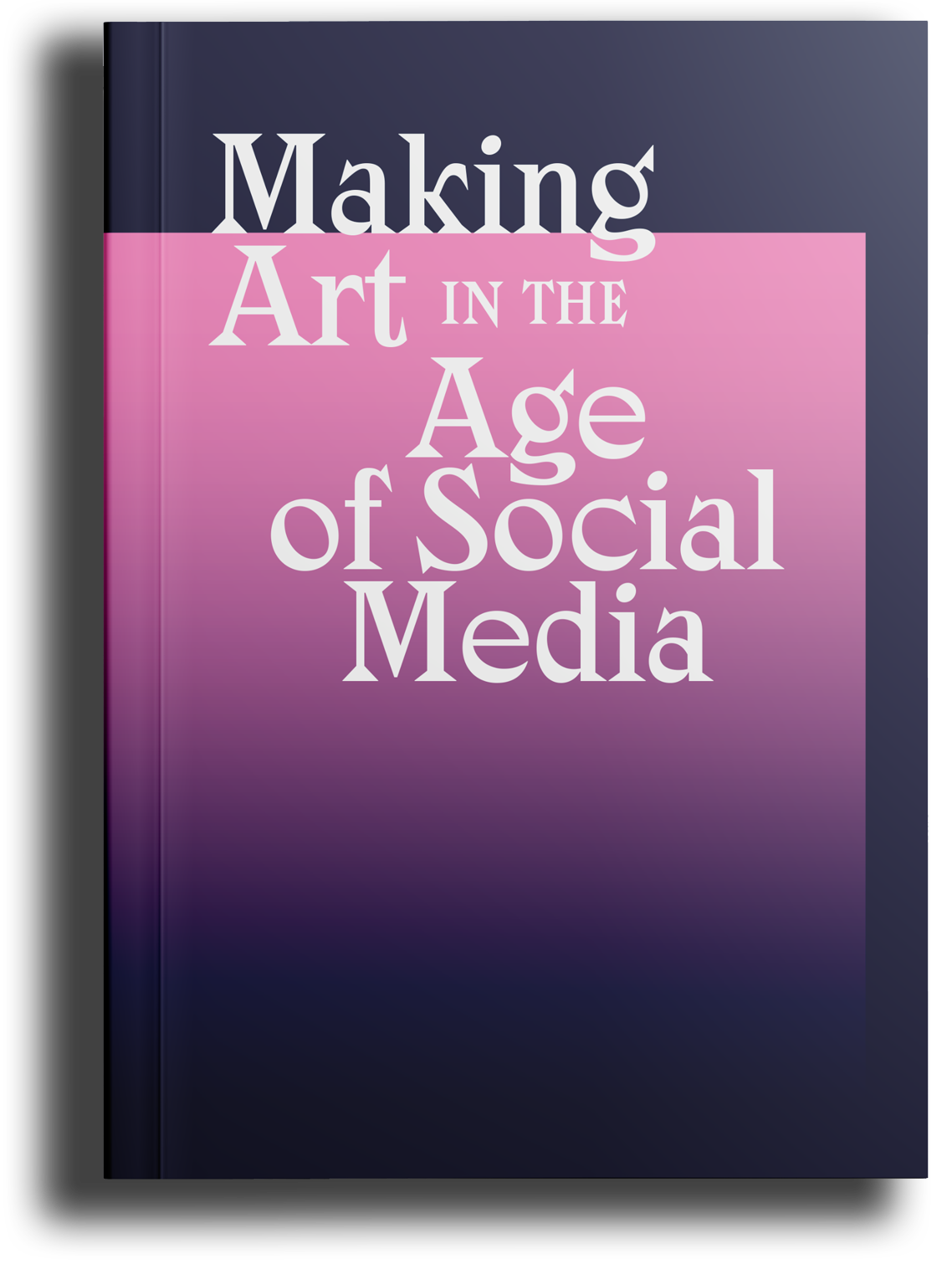
A field guide for creators towards intentional and sustainable digital lives
The digital world is full of fruit to pick and poison to swallow. It offers landscapes to roam and traps that snare us like rats to cheese. So how do creative people arrive at the right working relationship to their phones, Instagram, Substack, YouTube, and Slack, not to mention Tinder, Strava, Spotify and Eater.com?
Making Art in the Age of Social Media looks at the question from both bottom-up and top-down. Meaning, it does ask what practices and guidelines serve creative practice best day to day. But this question only makes sense in a larger conversation of what creativity is even for—and what we are for as creative people.
Following case studies of major creatives, and timeless wisdom from the ages, this book lays out strategies for balancing: connectivity and solitude, what’s invasive in digital space from what’s generative, just when turn our ringers off.
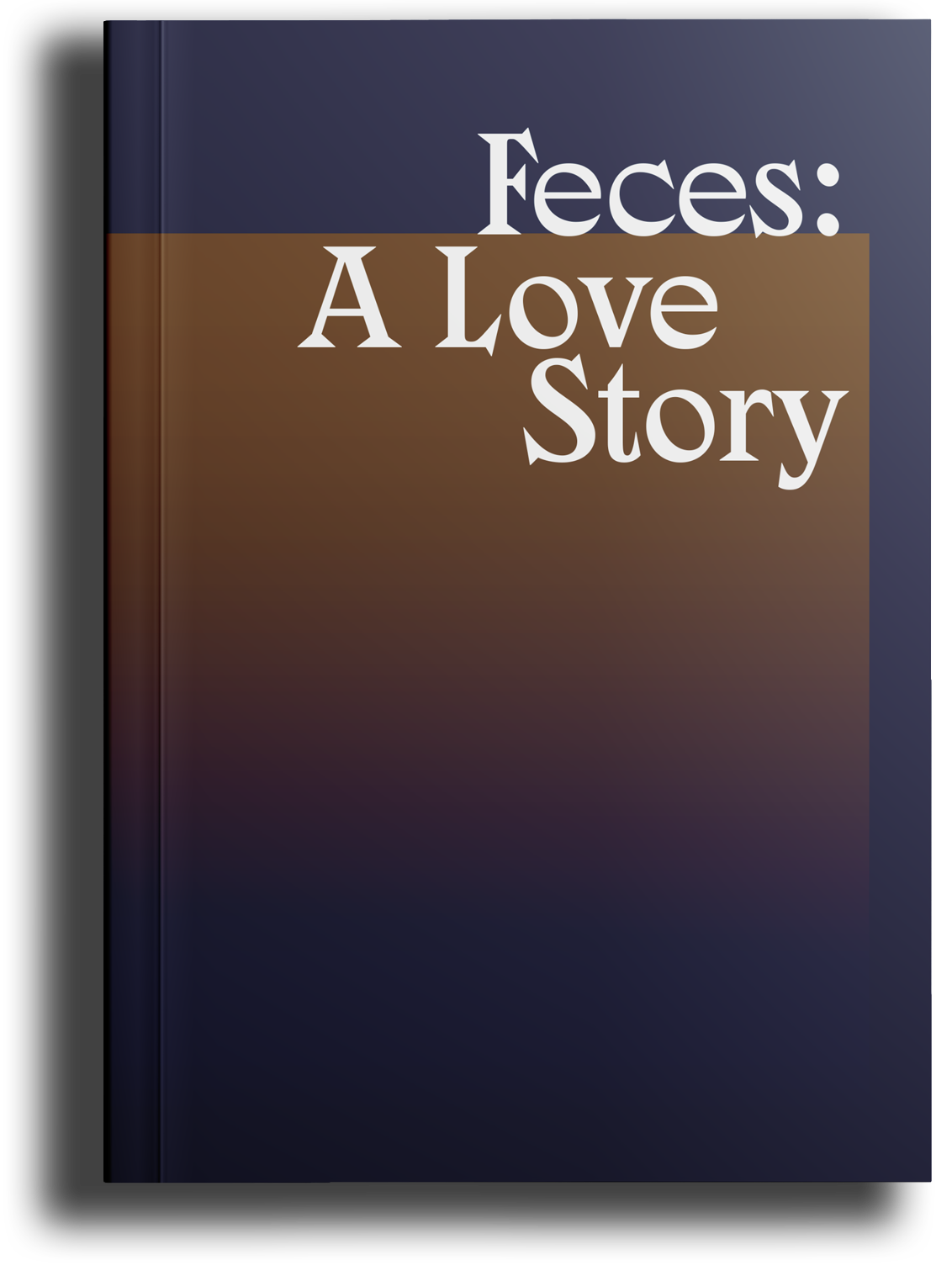
A meditation on embodiment, shame, and truth told through the most avoided subject in human life.
Few things are as universal, biologically essential, or psychically charged as feces. Yet we avoid looking at them—often avoid mentioning them. We flush the subject away, too. But feces carries information about our microbiome, diet, and lifestyle. There’s a reason why good doctors look at stool and why farmers are careful with their manure. What we expel is waste, true, but it’s also a record of or ongoing lives—the body’s diary, you could say. To look at it with curiosity is to see the important truths through life’s cycle of intake, digestion, release.